How To Spot Roof Storm Damage Before It Gets Worse
The most common roof storm damage signs include cracked or slipped tiles, displaced ridge capping, damaged gutters, ceiling stains and damp smells. You can identify many of these problems without climbing onto your roof. At Geoff Hall Roofing, we help homeowners recognise when they may need roof repairs in Port Macquarie before minor damage develops into a more serious leak.
Storms across the Mid North Coast can bring heavy rain, strong winds and flying debris, all of which place pressure on roofing materials. While some damage is immediately obvious, other problems may remain hidden until water begins entering your home. Knowing what to look for from the ground and inside your house can help you recognise warning signs early.
Quick Answer: The Signs of Roof Storm Damage to Look For
After severe weather, you don't need to climb onto your roof to identify potential damage. Many problems leave visible clues around your property, particularly when tiles, ridge capping or gutters have been affected by strong winds.
The most common warning signs include:
- Cracked or missing roof tiles: Broken tiles or visible gaps can leave the underlying roof structure exposed to rain.
- Displaced ridge capping: Ridge tiles that appear uneven, shifted or cracked may indicate storm damage.
- Damaged gutters: Bent, detached or overflowing gutters can prevent rainwater from draining properly.
- Roofing debris: Broken tile fragments or pieces of mortar around your property may suggest damage above.
- Ceiling stains: Yellow or brown marks on ceilings can indicate moisture entering through the roof.
- Damp or musty smells: Persistent moisture odours may suggest water is accumulating in concealed areas.
Not every warning sign means your roof requires extensive repairs. However, even relatively small changes deserve attention, particularly after a storm involving strong winds or prolonged rainfall.
Signs You Can See From the Ground
Wondering how to check your roof after a storm without climbing up? Start by walking around your property once conditions are safe. Look towards the roof from different angles, paying particular attention to the ridgelines, roof edges and guttering.
Cracked, Slipped or Missing Roof Tiles
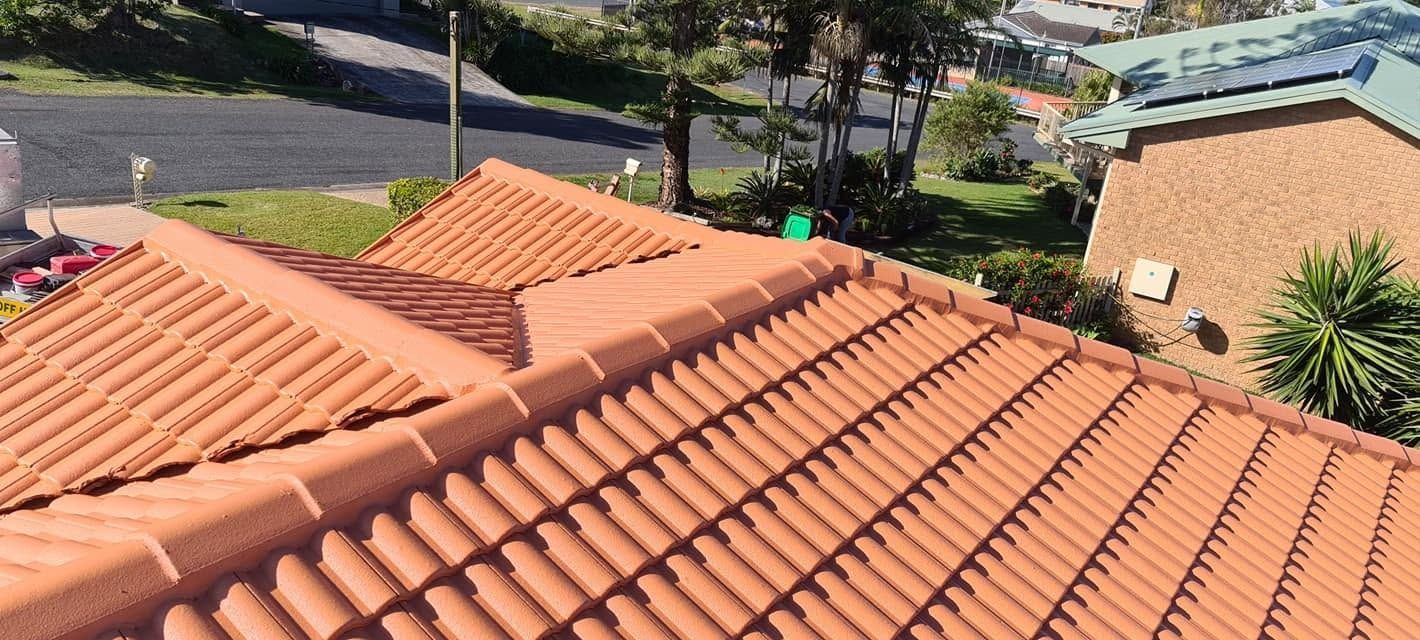
Tiled roofs are common throughout Port Macquarie and the surrounding Mid North Coast. Strong winds can dislodge tiles, while falling branches or airborne debris may cause cracks and breakages.
Look for tiles that appear uneven, have shifted out of position or are missing entirely. A damaged tile may leave a visible gap in the roof covering, although smaller cracks can be difficult to identify from ground level. If you notice fragments of roofing material on the lawn or driveway, avoid assuming they're harmless debris. They may have come from an area of the roof that needs inspection.
Displaced Ridge Capping
Ridge capping covers the upper junctions where roof slopes meet. These areas are exposed to wind and rain, making them important points to check after rough weather.
Look for ridge tiles that appear crooked, raised or out of alignment. Cracked mortar or displaced bedding material may also indicate deterioration, although these details aren't always visible from below. A ridge can appear relatively normal from the street while still having damaged pointing or other defects. That's one reason a professional inspection may be necessary even when the roof looks intact.
Blocked or Damaged Gutters
Heavy rain can wash leaves, branches and other debris into gutters. When water cannot drain properly, it may overflow near roof edges or collect in areas where it shouldn't.
From a safe position, look for sagging gutter sections, loose downpipes, visible debris or water overflowing during rainfall. You may also notice staining on external walls beneath affected areas. Never lean over roof edges or climb a ladder to clear storm debris yourself. If gutters are damaged or difficult to access, arrange a professional assessment.
Signs You'll Spot From Inside the House
Some of the clearest signs of storm damage on a roof appear indoors rather than outside. Water can travel along roof framing or other surfaces before becoming visible, meaning the location of an internal stain doesn't always identify the exact entry point.
Ceiling Stains and Peeling Paint
Yellow or brown ceiling marks are common indicators of water exposure. You might notice a new stain after heavy rainfall or discover that an existing mark has become darker or larger. Peeling paint, bubbling plaster and discoloured cornices can also suggest moisture problems. These symptoms shouldn't be dismissed simply because water isn't actively dripping.
Damp Smells and Unusual Moisture
A persistent musty smell may indicate moisture trapped in ceiling spaces or wall cavities. You might also notice damp patches around upper walls, window surrounds or ceiling joints.
For example, imagine a homeowner who notices a faint ceiling stain after a storm but sees no obvious roof damage outside. During the next period of heavy rain, the stain spreads and the room develops a damp smell. This could indicate an ongoing leak that wasn't immediately visible from ground level.
Dripping Water or Sagging Ceilings
Active dripping, bulging plaster or a visibly sagging ceiling can indicate a more serious moisture problem. Keep clear of affected areas, particularly where water is near electrical fittings or the ceiling appears unstable. Don't enter the roof cavity to investigate. Wet insulation, concealed wiring and damaged structural components can create hazards that require professional assessment.
Why Coastal Storms Cause Hidden Damage That Gets Worse
Coastal roof damage on the Mid North Coast can develop gradually because roofing materials face a combination of wind-driven rain, humidity and salt-laden air. These conditions can expose existing weaknesses that weren't obvious before the storm.
A tile that shifts slightly during strong winds may not immediately cause a noticeable leak. However, subsequent heavy rain can enter through the affected area, potentially damaging underlay, timber components or internal finishes.
Salt air can also contribute to corrosion of susceptible metal roofing components and fixings over time. When combined with storm exposure, deterioration may affect the performance of gutters, flashings and other roof details.
Hidden roof storm damage is particularly concerning because water doesn't always enter directly above the visible stain. Moisture can move along internal surfaces before appearing elsewhere, making the original problem difficult to locate without experience.
At Geoff Hall Roofing, we assess roofing components such as tiles, ridge capping and gutters when investigating suspected storm damage. Some defects are visible from outside, while others require a closer professional inspection to establish their condition.
When to Call for Emergency Roof Repairs
If you notice possible storm damage, the priority is to avoid putting yourself at risk. You can gather useful information without climbing onto the roof or attempting repairs.
Start by taking photographs of visible damage from a safe position. Record when you first noticed the problem and whether it appeared after a particular storm. Indoor photographs of ceiling stains or damp patches can also help document changes over time. If water is entering your home, avoid electrical fittings and keep away from unstable ceiling areas. Where there is an immediate danger, seek appropriate emergency assistance. Don't attempt to move damaged roofing materials, secure loose tiles or investigate the roof cavity yourself.
For active leaks or urgent roofing problems, we at Geoff Hall Roofing provide emergency roof repairs. A professional can assess the affected areas and determine what work may be required. Even if the damage appears minor, arranging an inspection can help identify problems that aren't visible from the ground. Early assessment may reduce the chance of further water damage during the next period of heavy rainfall. The key is to recognise the warning signs rather than attempt to diagnose every roofing defect yourself.
If you've noticed roof storm damage signs around your home, our team at Geoff Hall Roofing can help assess the condition of your roof. Book a free inspection to discuss your concerns and determine whether roof repairs in Port Macquarie are needed.
FAQs
Can a roof be damaged in a storm without leaking?
Yes. Storms can crack tiles, loosen ridge capping or damage gutters without causing an immediate indoor leak. Water may only enter during later rainfall or when wind drives rain towards a vulnerable area.
How soon after a storm should I check my roof?
Once the weather has cleared and it's safe to go outside, look for visible changes from ground level and check ceilings for new stains. If you notice active leaks or significant damage, arrange professional assistance promptly.
Can strong winds damage roof tiles without breaking them?
Yes. Strong winds may shift or lift tiles without causing obvious fractures. A tile that's no longer properly positioned can leave the roof more vulnerable to water entry during subsequent rainfall.
Are small ceiling stains always caused by roof damage?
No. Ceiling stains can have several causes, including plumbing leaks or condensation. However, a new stain appearing after heavy rain may indicate a roofing issue and should be investigated.
What if my roof looks fine after a storm?
A roof can appear undamaged from the ground while still having cracked tiles, loose ridge capping or other concealed defects. If you've noticed indoor moisture, unusual debris or other warning signs, a professional inspection can help establish whether damage is present.